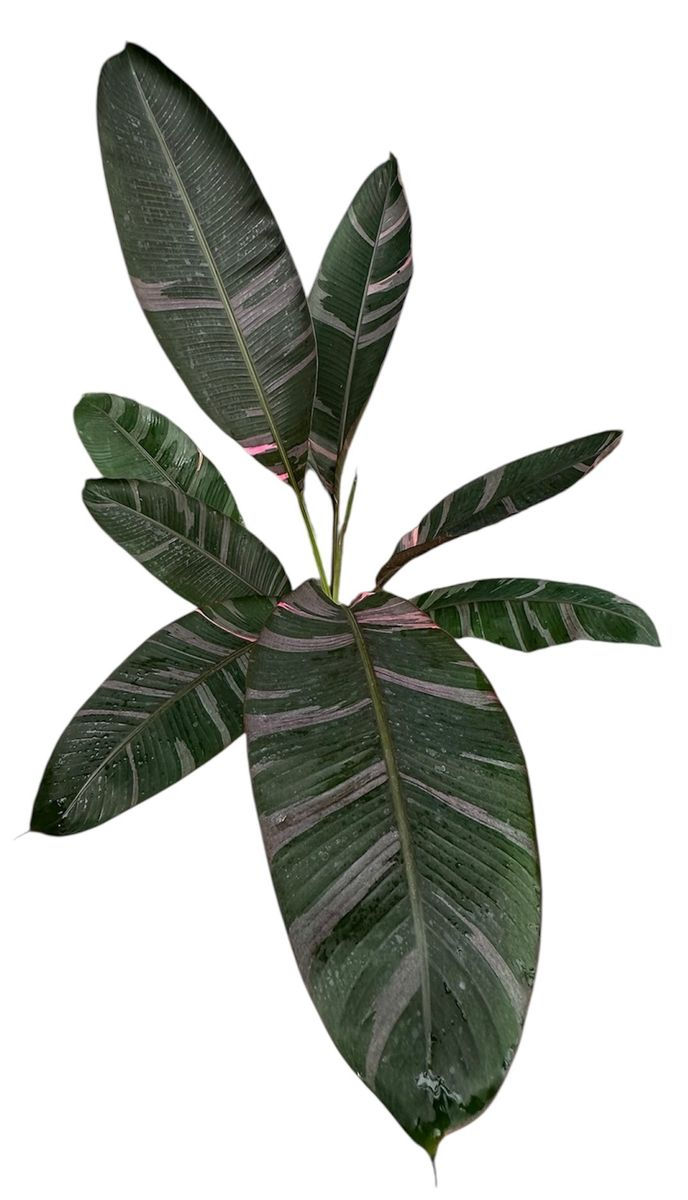
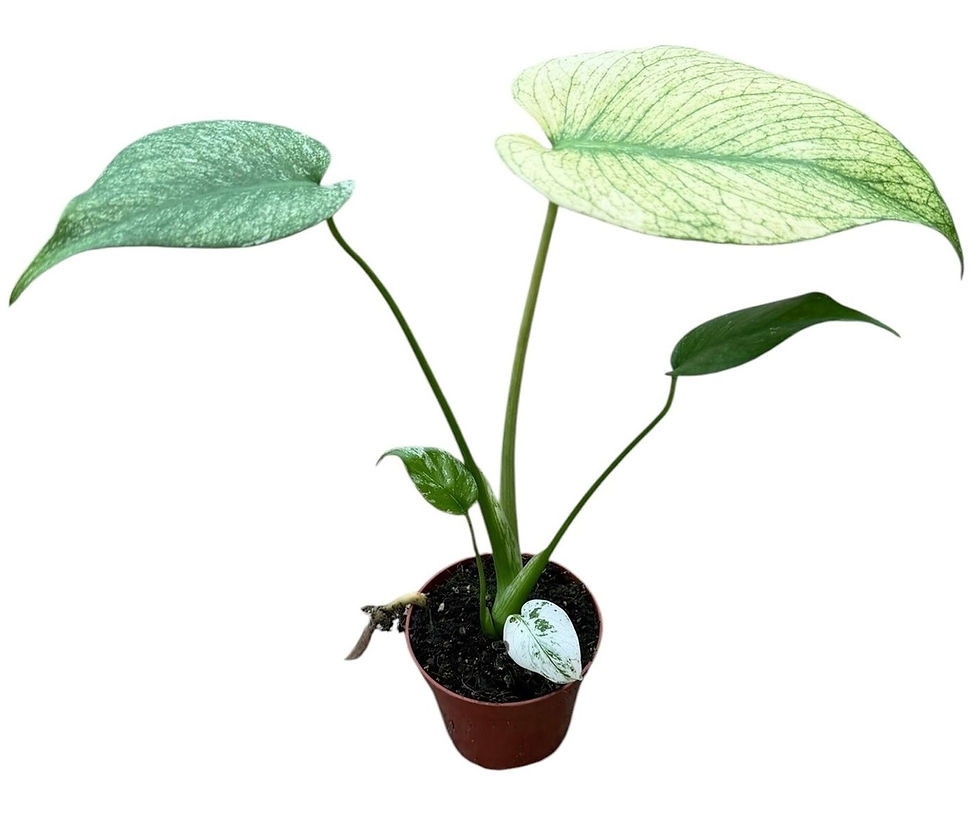
Anthurium podophyllum - 15cm/60-70cm
Anthurium podophyllum
The Anthurium That Nobody Believes Is an Anthurium
Forget everything you think an anthurium should look like.
Heart-shaped leaves? Not here.
Velvet? Nope.
Silver veins? Keep looking.
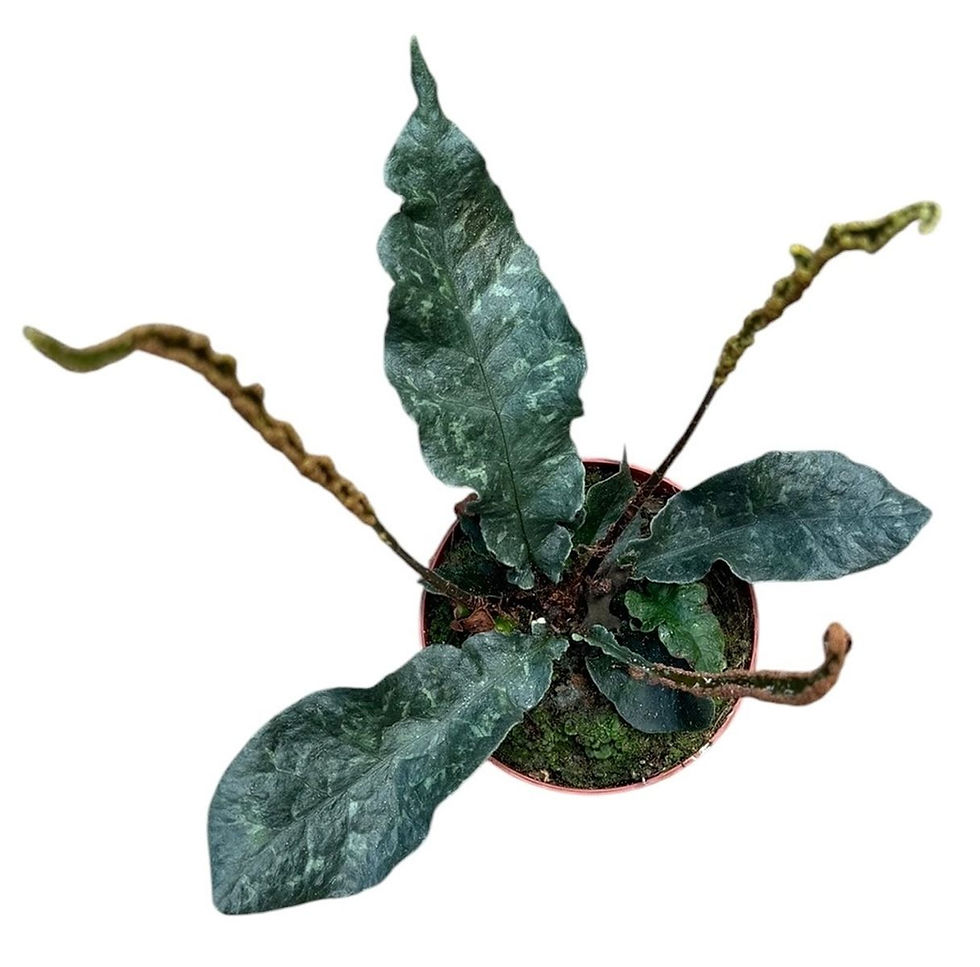
Anthurium podophyllum is one of the oddballs of the aroid world. Native to the tropical rainforests of Central and South America, it starts life with fairly ordinary foliage before transforming as it matures into something completely unexpected. The leaves become deeply divided, almost hand-shaped, giving it a look that’s closer to an exotic palm or a tropical fern than an anthurium.
It’s one of nature’s greatest plot twists.
Watching the foliage evolve is half the fun. Every new leaf reveals a little more character, making this a plant that genuinely changes as it grows. Mature specimens are spectacular and unlike anything else in an Anthurium collection.
If you’re the sort of collector who likes plants that make people ask, “Hang on… that’s an anthurium?”, you’ve just found your next obsession.
Plant Stats:
Light: Bright, indirect light with protection from harsh afternoon sun.
Water: Keep the compost lightly moist, allowing the top to dry slightly between waterings.
Humidity: Enjoys higher humidity and good airflow.
Soil: A chunky, well-draining aroid mix with plenty of bark and moss.
Why It’s Worth a Spot in Your Jungle:
One of the most unusual foliage transformations in the entire Anthurium genus.
Deeply divided mature leaves that look nothing like a traditional anthurium.
A fascinating species that’s guaranteed to become a talking point.
A rewarding collector’s plant that becomes more impressive with every new leaf.
Limited availability. Some plants fit neatly into a category. Anthurium podophyllum tore the category up and grew something completely different.