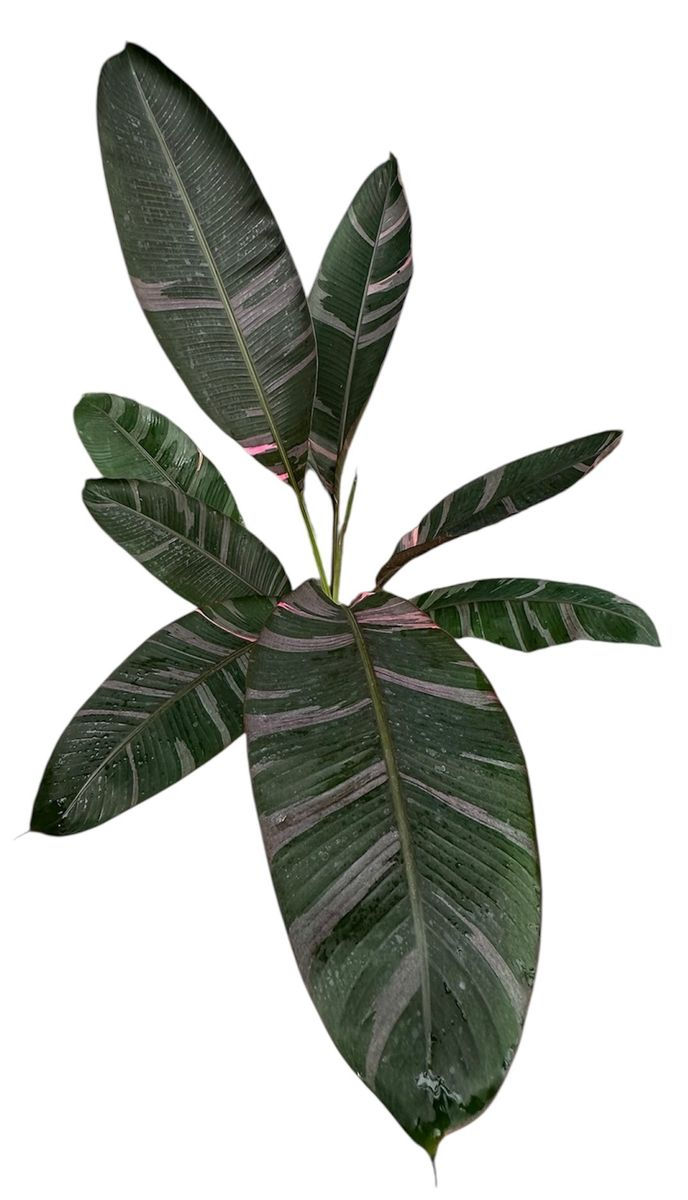
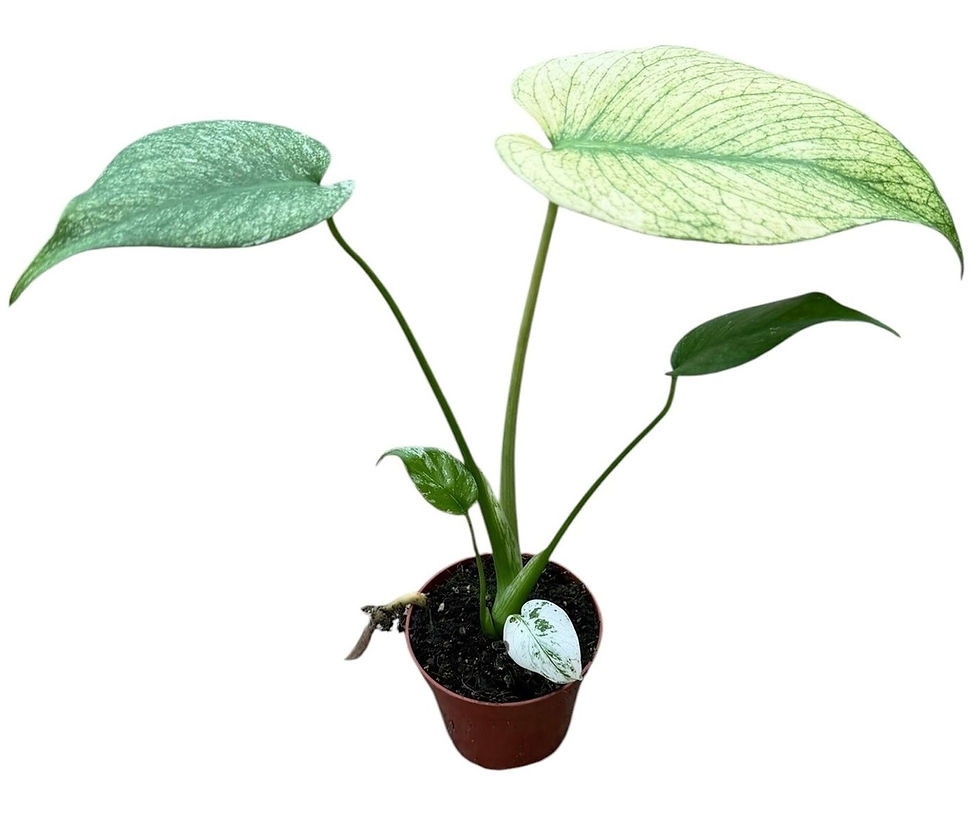
Anthurium Magnificum - 12cm / 30-40cm
Anthurium magnificum earns its name without exaggeration.
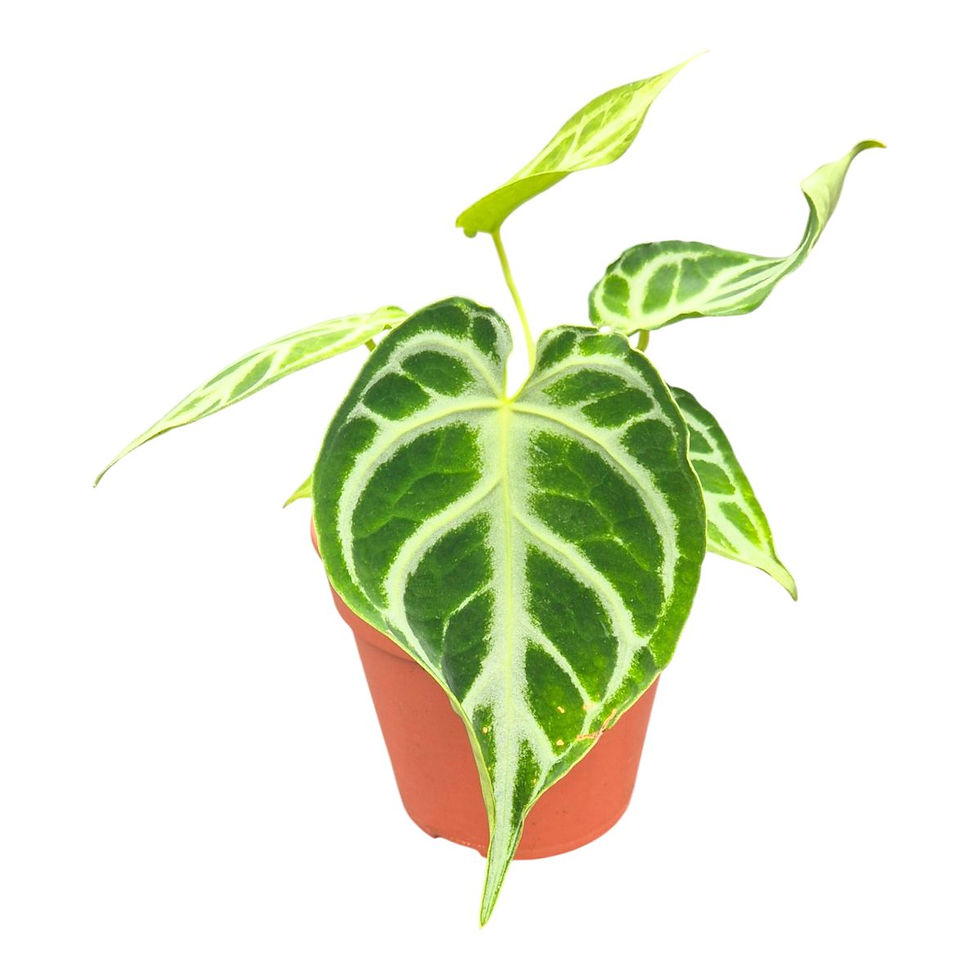
Native to Colombia, this is one of the benchmark velvet Anthurium species. Broad, heart shaped leaves. Deep, saturated green that matures toward near black. Thick, pale veining that looks lifted from the surface rather than drawn on.
When grown well, the foliage becomes immense and architectural. Not floppy. Not delicate. Substantial.
Collectors care about Anthurium magnificum because it is a true species, not just a hybrid selected for novelty. It has genetic consistency, strong leaf substance, and a presence that anchors a collection rather than decorating it.
One defining trait is the petiole. Unlike many Anthurium, magnificum has distinctly quadrangular, almost square petioles with sharp edges. It is a detail that experienced growers look for immediately.
Why it stands out:
• Large, velvety, heart shaped foliage
• High contrast white to silver venation
• Thick leaf texture with depth
• Recognisable square petioles
• Strong breeding parent in hybrid programmes
This is not a tiny shelf plant. Given space and support, Anthurium magnificum becomes imposing in the best way.
Light should be bright and indirect. Strong light deepens colour and enhances vein contrast. Avoid direct midday sun which can scorch the velvet surface.
Water thoroughly, then allow the top of the mix to begin drying before watering again. A chunky, breathable aroid mix is essential. Orchid bark, perlite or pumice, and a light organic base work well. Roots need oxygen as much as moisture.
Humidity above average indoor levels will encourage larger leaves and smoother expansion, but it is more forgiving than some of the more temperamental velvet Anthurium.
Growth rate is moderate. Each new leaf should emerge larger than the last when conditions are stable.