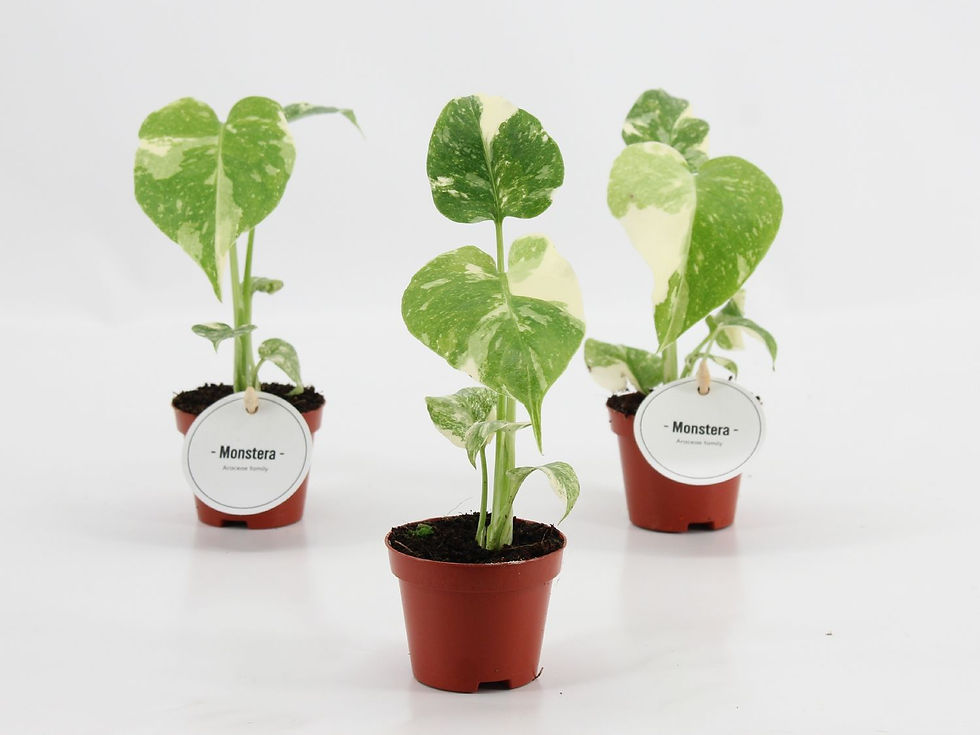
Monstera deliciosa 'Sierrana' - 80cm/100cm
This is not just a standard Monstera.
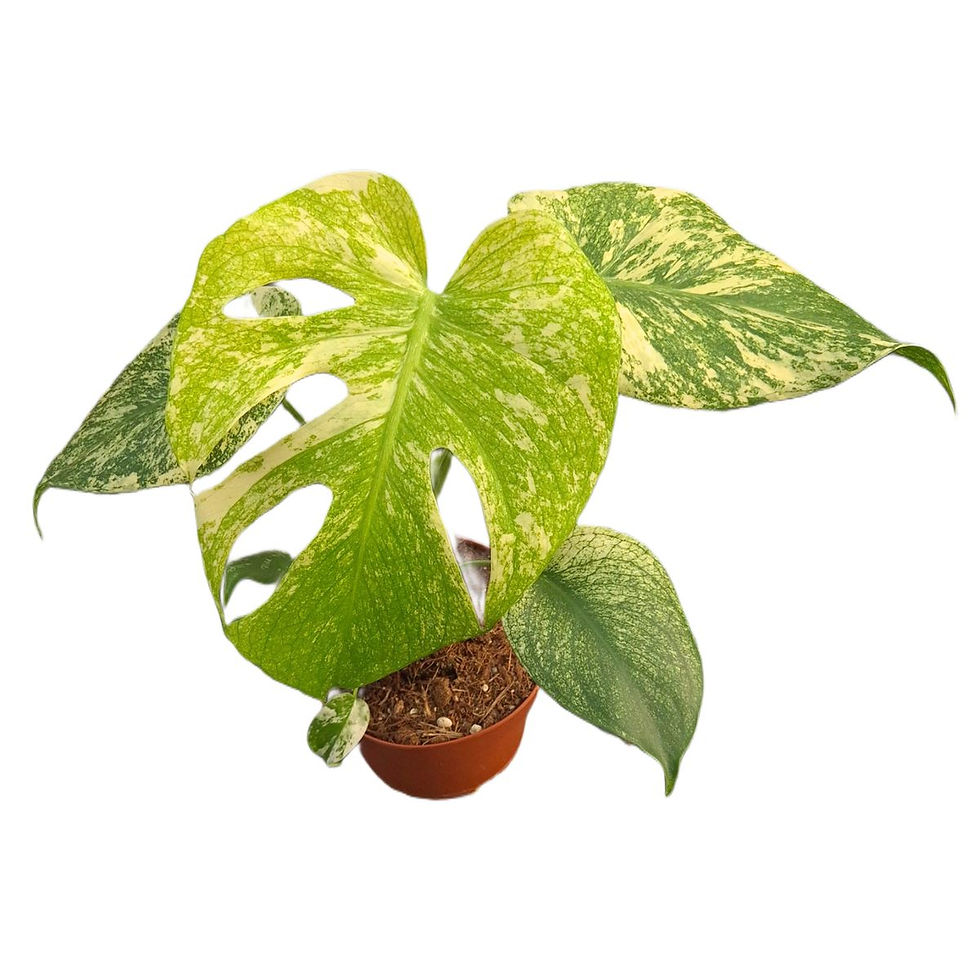
‘Sierrana’ is a selected form of Monstera deliciosa known for its deeper, more defined fenestrations and stronger leaf segmentation. Where regular deliciosa feels broad and soft, ‘Sierrana’ feels sculpted. The splits push further inward, the structure is sharper, and the overall silhouette becomes architectural as the plant matures.
At 60–75cm, these plants already show early structural character and are well on their way to producing larger, more dramatic leaves with proper support.
Why collectors rate it:
• More pronounced marginal splits
• Earlier and deeper inner fenestration development
• A refined, architectural canopy presence
• Less commonly seen than standard deliciosa
Growth & Care
Light: Bright, indirect light encourages stronger fenestration and tighter growth.
Water: Water thoroughly once the top third of the soil has dried. Avoid constant saturation.
Soil: Use a chunky, well-draining aroid mix with bark and perlite or pumice to maintain root aeration.
Support: A moss pole or solid totem is strongly recommended to unlock full leaf size and structural potential.
Growth rate is strong once established, faster than variegated forms and comparable to a healthy green deliciosa. With time and vertical support, this becomes a canopy plant rather than a shelf filler.
If you’re ready to move from standard to sculpted, ‘Sierrana’ is the upgrade.