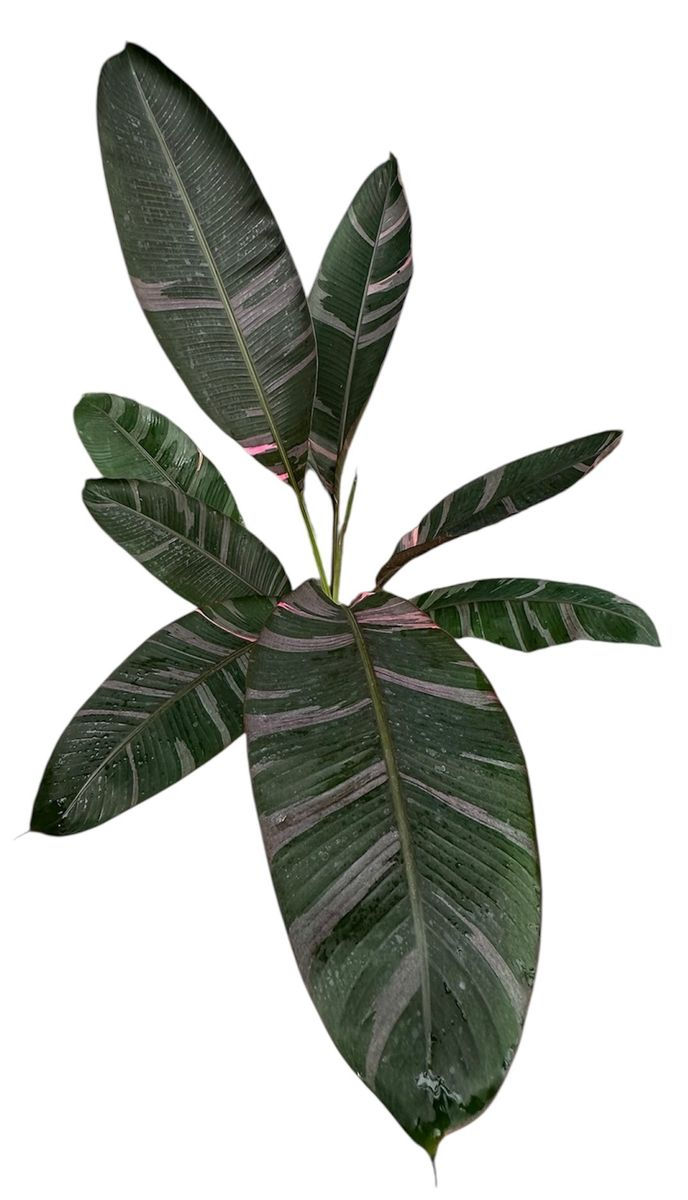
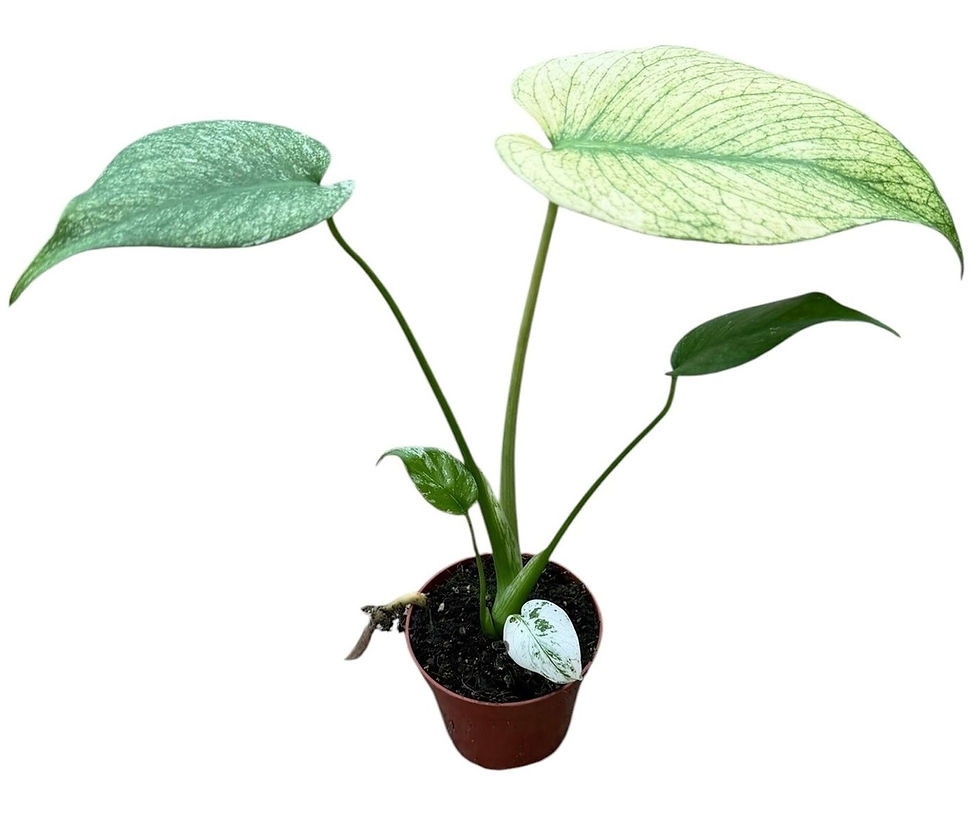
Sansevieria 'Bruda Variegata' - 25cm/35cm
Sansevieria ‘Bruda Variegata’ is not your standard snake plant. It is a deliberate, architectural statement in green and gold, bred for structure and sharpened by variegation.
A cultivated form of Sansevieria now botanically placed under Dracaena, ‘Bruda Variegata’ carries everything collectors love about the genus: upright, blade like leaves, unwavering tolerance, and that quiet, sculptural authority. But here, the foliage is edged and marbled in luminous yellow cream, cutting through the deep green like light catching the edge of steel.
This is variegation with intent. Not random flecking. Not faded margins. Each leaf rises rigid and symmetrical, holding its colour in clean bands that feel engineered rather than accidental.
It matters because strong variegated sansevierias are not easy to stabilise. The brighter the margins, the slower the growth. The slower the growth, the rarer the supply. ‘Bruda Variegata’ balances both. It holds contrast without collapsing into weakness.
Collectors care because:
• It stays compact and upright
• The variegation is consistent and high contrast
• It thrives in lower light better than most variegates
• It has genuine shelf presence without demanding humidity theatrics
In a world of sprawling tropical foliage, this plant stands to attention. It works in modern interiors, darker rooms, offices, minimalist spaces. It tolerates neglect with quiet resilience.
Light: Bright indirect is ideal, but it will cope in moderate light without losing form. Avoid deep shade if you want the variegation to stay crisp.
Water: Infrequent. Let the soil dry fully. Then forget about it for another week. Overwatering is the only real enemy here.
Soil: Free draining, gritty mix. Think cactus compost with added perlite or pumice.
Temperature: Average household conditions are fine. It is far less dramatic than it looks.
Growth rate: Moderate for a variegated sansevieria. Expect steady vertical development rather than explosive growth.
Pet safety: Mildly toxic if ingested.
What makes this particular cultivar special is its composure. Some snake plants sprawl or twist. ‘Bruda Variegata’ keeps its symmetry. The leaves are broad at the base, narrowing to a defined point, each one banded with creamy margins that feel almost painted.
If you are searching for:
Sansevieria Bruda Variegata for sale
variegated snake plant UK
rare variegated Sansevieria
architectural indoor plant
low maintenance variegated houseplant
You have found the right specimen.
It is ideal for someone who wants structure without fuss, colour without chaos, and a plant that improves a room simply by existing in it.
There are snake plants. And then there are the ones that make the others look like background noise.
This is firmly the latter.