Anthurium villenaorum - 12cm/20cm
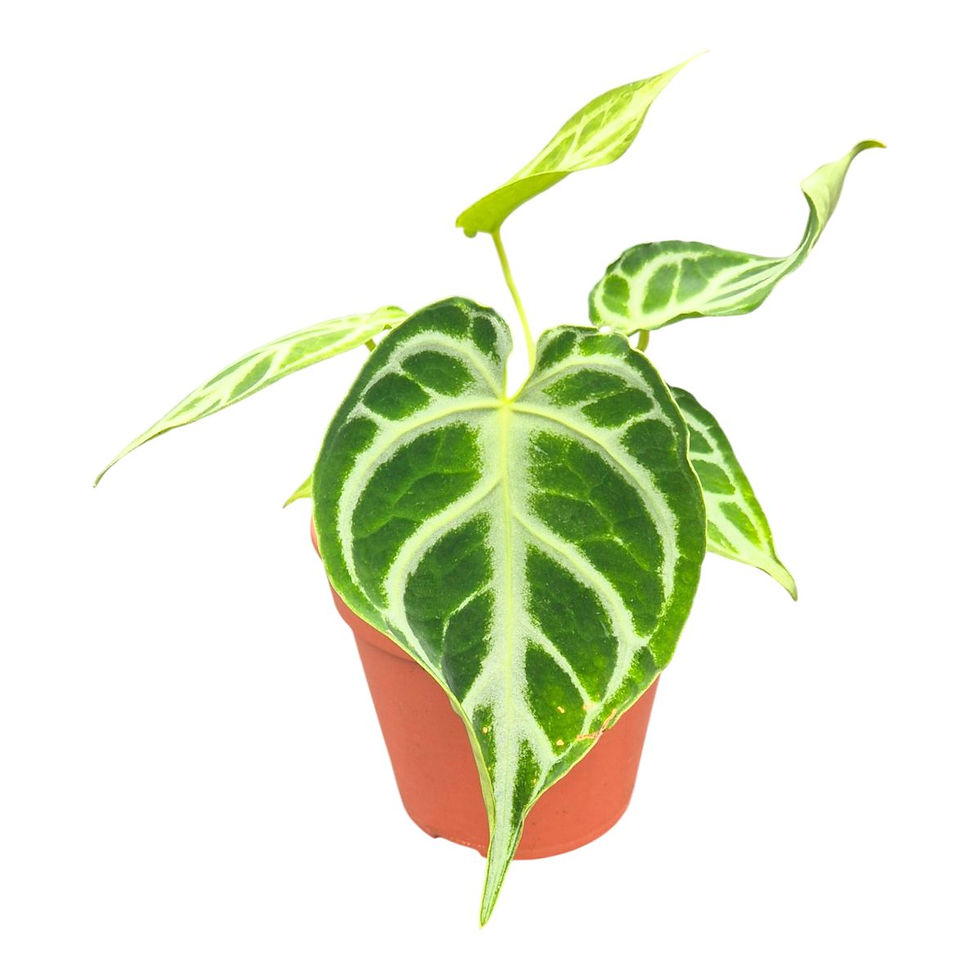
Anthurium villenaorum
Velvet Doesn’t Have to Shout
Some anthuriums are all about size.
Others are all about colour.
Anthurium villenaorum proves you don’t need either to stop people in their tracks.
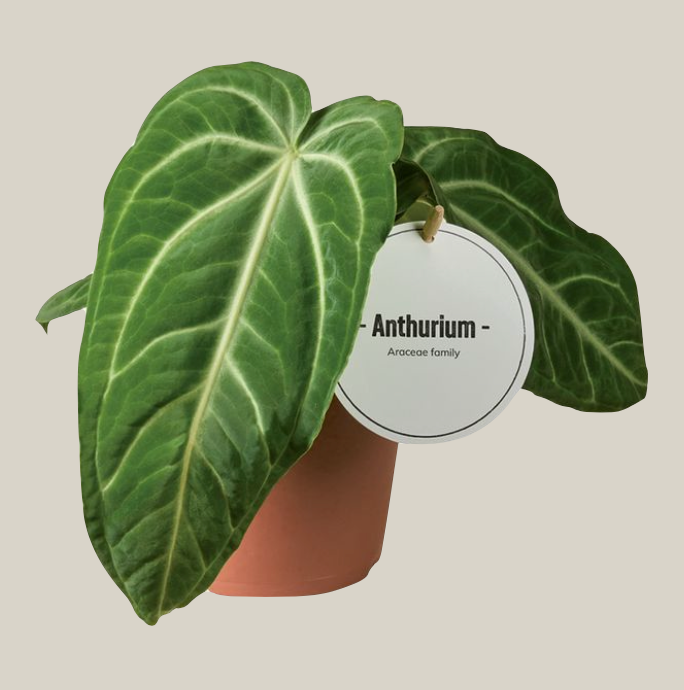
Native to the rainforests of Peru, this stunning velvet-leaf species produces thick, heart-shaped foliage with an almost suede-like texture. Deep emerald green leaves are etched with striking silver veins that seem to glow as the light catches them, giving the plant an elegance that’s hard to ignore.
Unlike some of the more demanding velvet anthuriums, villenaorum is known for being a little more forgiving, making it a brilliant choice for anyone looking to dip their toes into the wonderful world of collector anthuriums without immediately questioning every life decision they’ve ever made.
It’s timeless, sophisticated and only gets better with age.
Plant Stats:
Light: Bright, indirect light. Avoid direct sun, which can scorch the velvet foliage.
Water: Keep the compost lightly moist, allowing the surface to dry slightly between waterings.
Humidity: Enjoys higher humidity, although it adapts well to a warm home with good airflow.
Soil: A chunky, free-draining aroid mix rich in bark, moss and perlite.
Why It’s Worth a Spot in Your Jungle:
Rich, velvety foliage with beautifully contrasting silver veins.
A highly sought-after Peruvian species among aroid collectors.
Produces larger, more impressive leaves as it matures.
A rewarding velvet anthurium that’s often a little more forgiving than many of its relatives.
Limited availability. If you’re looking for an anthurium that whispers class rather than shouting for attention, Anthurium villenaorum is difficult to beat.