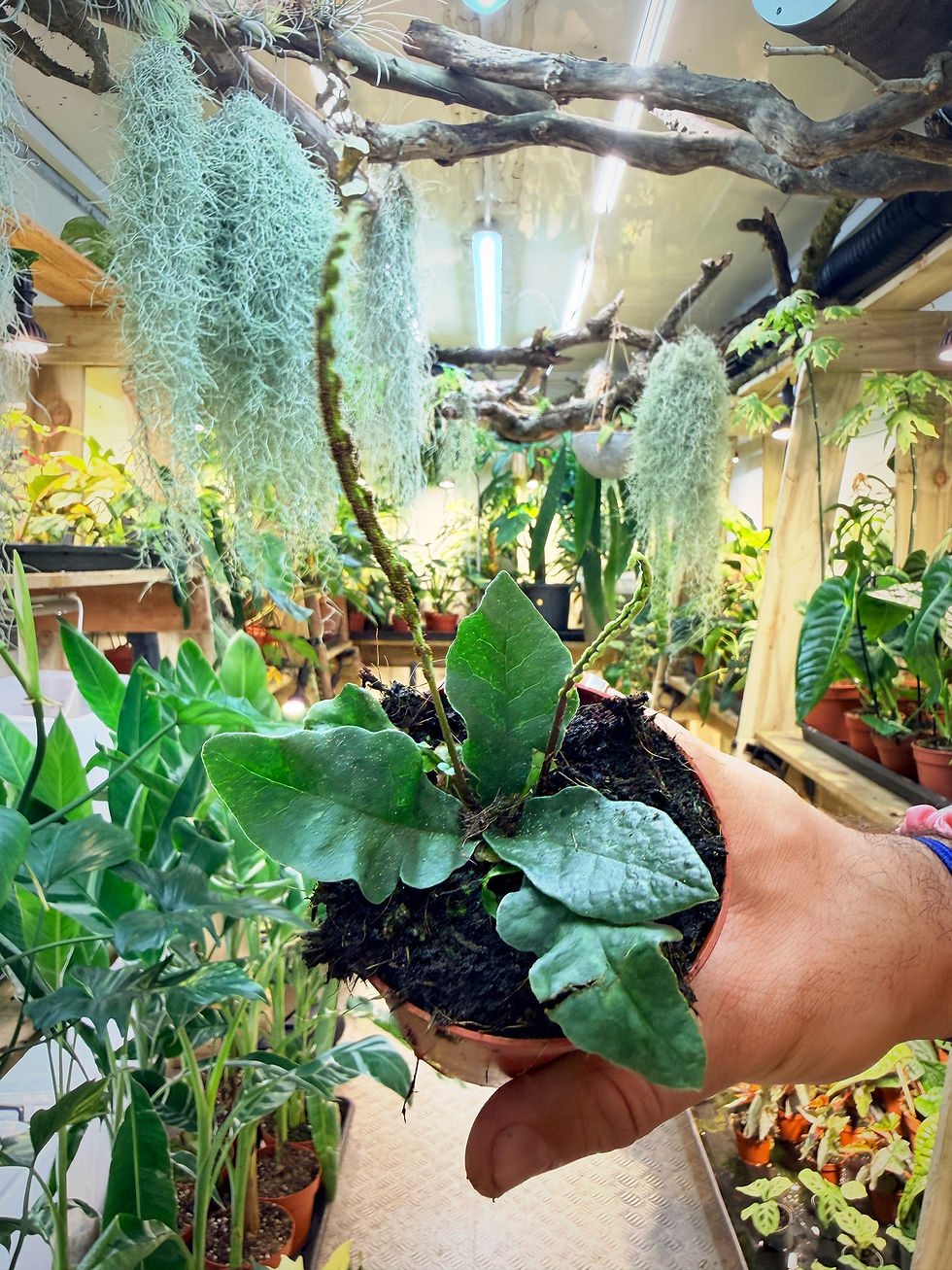
Anthurium Wendlingeri - 14cm/20cm
Anthurium wendlingeri
The Anthurium That Refused to Grow Upwards
Most anthuriums spend their lives reaching for the sky.
Anthurium wendlingeri had other ideas.
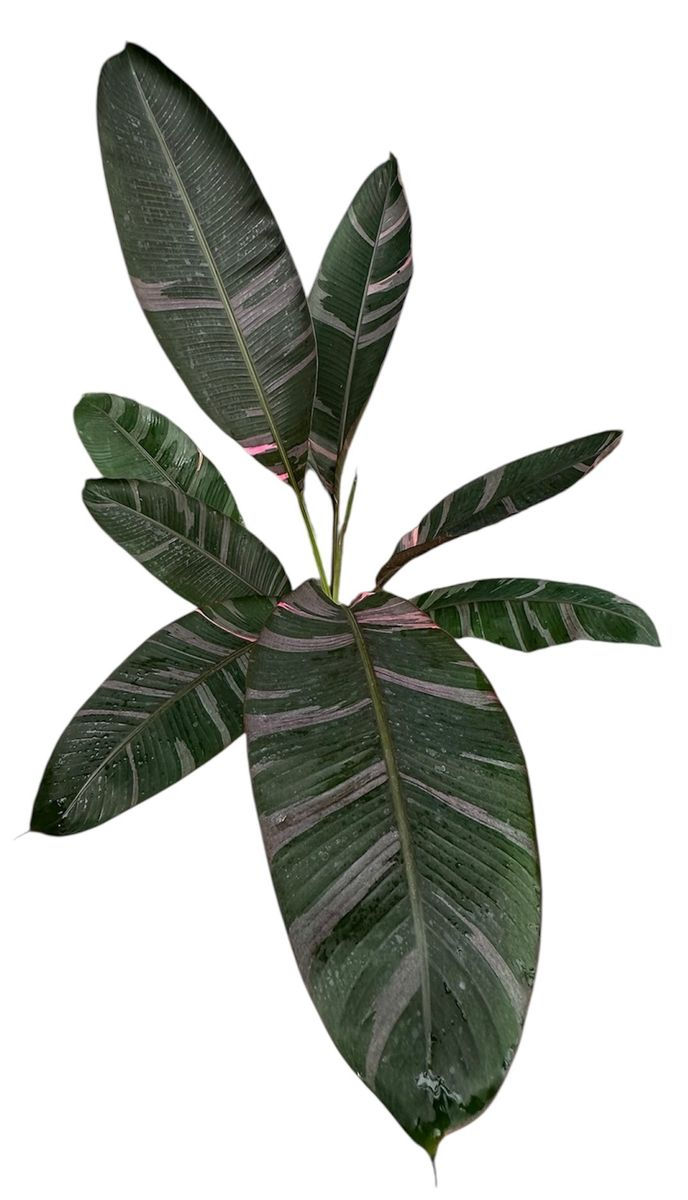
Native to the misty cloud forests of Costa Rica and Panama, this extraordinary species grows high in the trees, sending out impossibly long, pendulous leaves that drape gracefully beneath the canopy. Then, just when you think it couldn’t get any stranger, it produces one of the most bizarre flowers in the plant world. A long, corkscrew-shaped spadix that twists like nature got carried away with a telephone cable.
It’s elegant, unusual and completely unlike almost every other anthurium you’ll come across.
As it matures, the foliage becomes longer, narrower and more dramatic, making it the perfect choice for hanging displays or high shelves where those incredible leaves can cascade naturally. This isn’t a plant you hide in the corner. It’s one you build a room around.
Plant Stats:
Light: Bright, indirect light. Keep it away from harsh afternoon sun.
Water: Keep the compost lightly moist, allowing the surface to dry slightly between waterings.
Humidity: Thrives in higher humidity. 70% or more will keep it looking its absolute best.
Soil: A chunky, airy epiphyte mix with plenty of bark, moss and perlite.
Why It’s Worth a Spot in Your Jungle:
Long, elegant pendant leaves that become more spectacular with age.
Produces one of the most unique spiral flower spikes in the entire aroid world.
A true collector’s species that looks more like living art than a houseplant.
Perfect for hanging baskets or elevated displays where its natural form can shine.
Limited availability. If you’ve been searching for an anthurium that doesn’t look like every other anthurium, you’ve just found it.